
About Gabrovo
Gabrovo Municipality falls within the territory of the North Central Region. Its area is 555,579 sq. m; there are 134 settlements on its territory. As of 2019, the population of the municipality is 62,763 people.
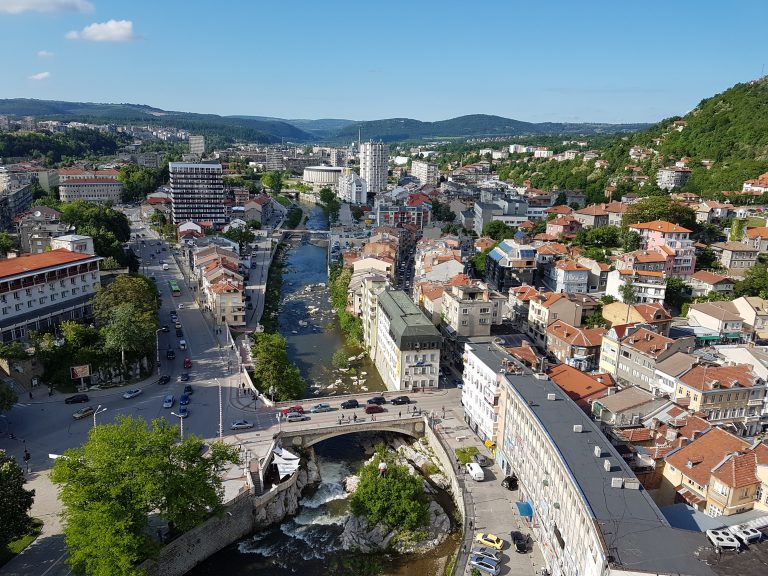
It is bordered to the north by Dryanovo, to the east by Tryavna, to the south by Kazanlak, and to the west by Sevlievo. The distance from Gabrovo to Sofia, Varna and Plovdiv, where three of the international airports in Bulgaria are located, is respectively – 205 km / 270 km / 140 km. The town is situated along the Yantra River, at the northern foot of the Shipka part of the Balkan Mountain. “Uzana” area is in the immediate vicinity; the geographical centre of Bulgaria is located there. One of the most important road connections crossing Bulgaria in the north-south direction, which is part of Pan-European Transport Corridor IX passes through Gabrovo.
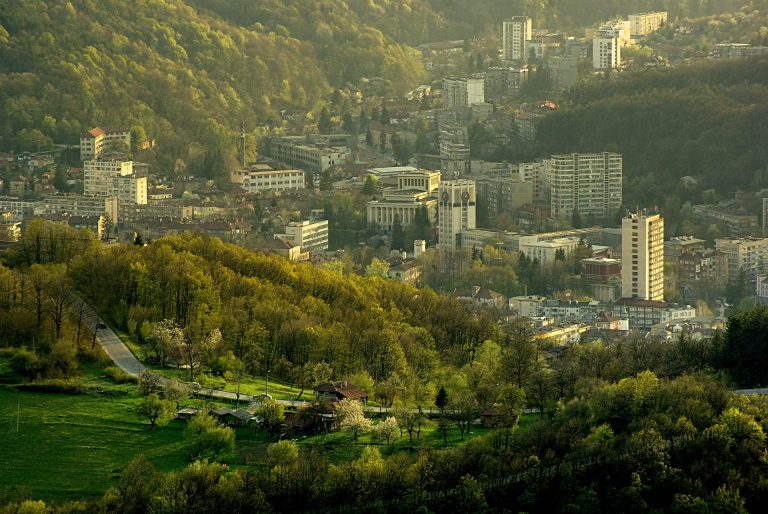
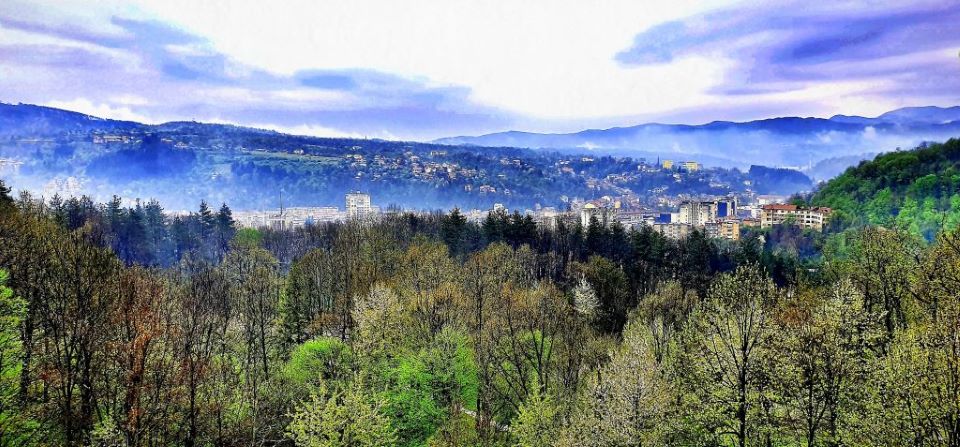
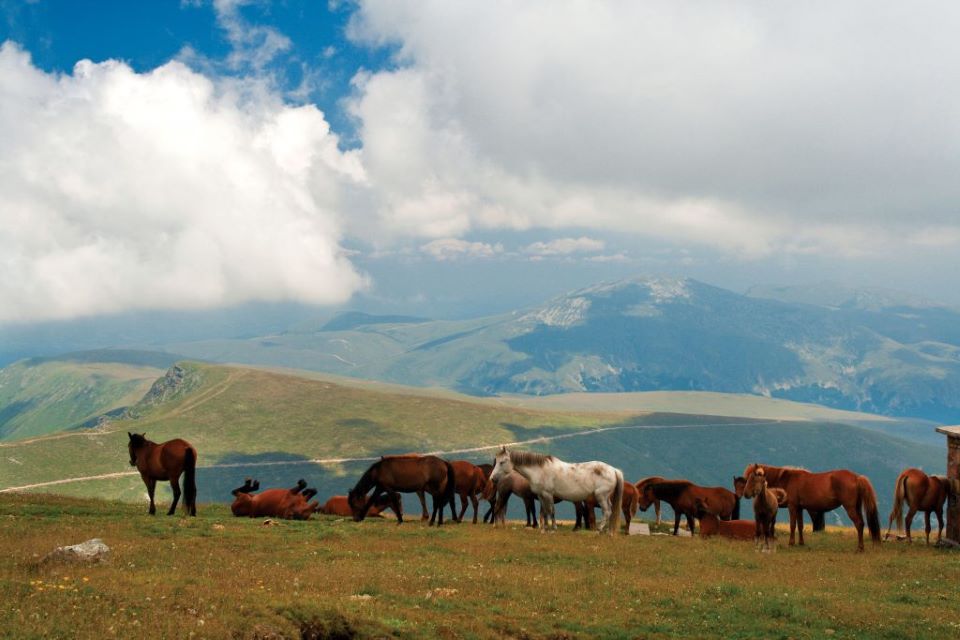
The relief of Gabrovo Municipality is hilly. The lowest altitude is 150 m. along the river Lopushnitsa, and the highest 1495 m. in the area “Antovo padalo”, where the springs of the river Yantra are located. Gabrovo is a typical mountain town, built on the terraces and valleys of three rivers. The city is one of the longest in Bulgaria with its 25 km.
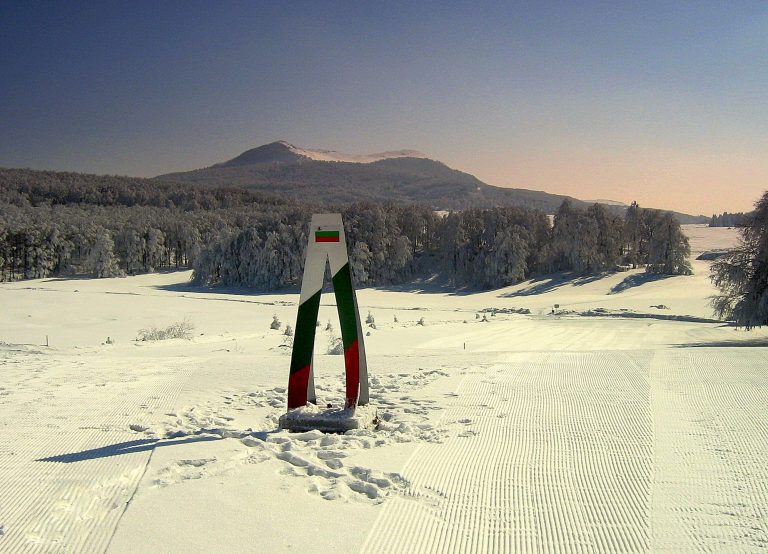
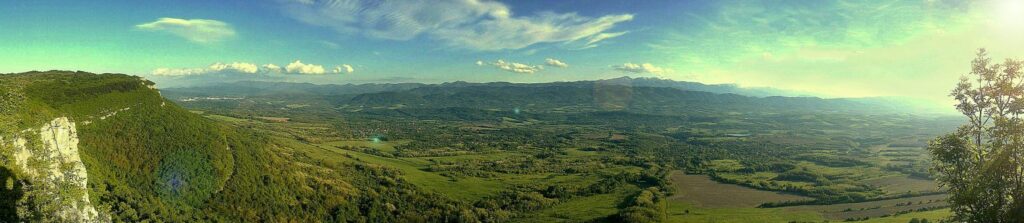
The climate in the region is temperate continental. Gabrovo Municipality falls within the Fore-Balkan Mountain and Low Mountain Climatic Region, recognized by cold winters and relatively warm summers. The rainfall is of a distinctly continental nature.
The specific climatic conditions in the town are determined by several factors – its location north of the Balkan Mountains and the direct influence of the slopes rising from the south. This impact is most pronounced on the rainfall, temperature and wind regime, and to a large extent on clouds and other meteorological elements. Last but not least, a significant role in the formation of microclimatic features is played by the course of the river Yantra.
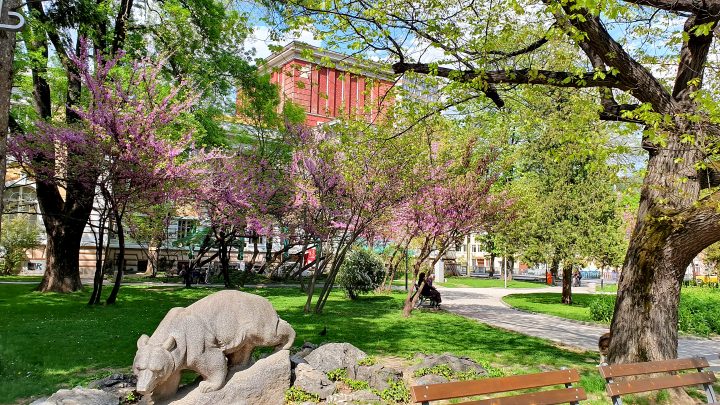
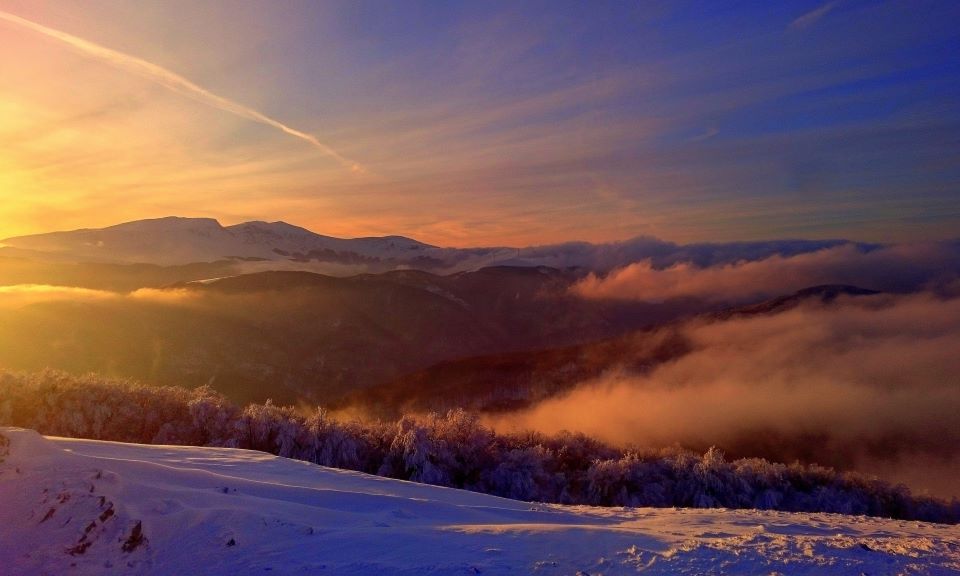
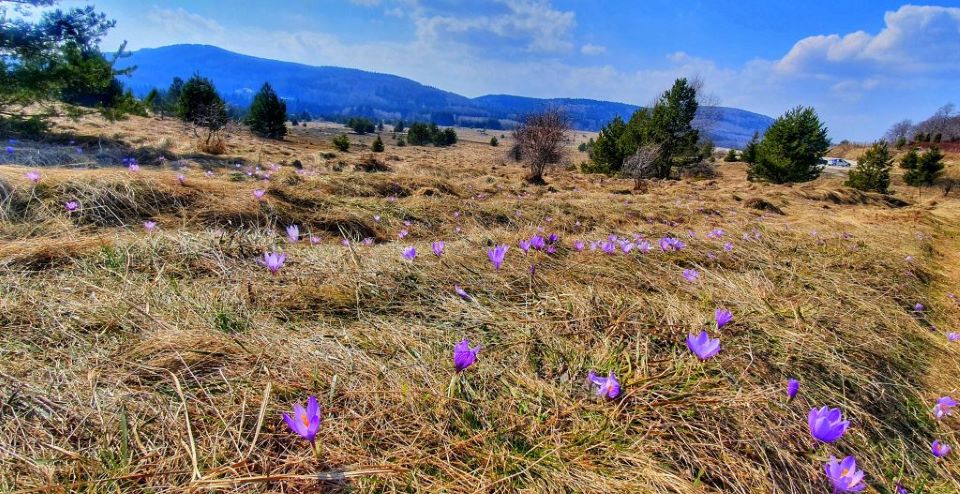
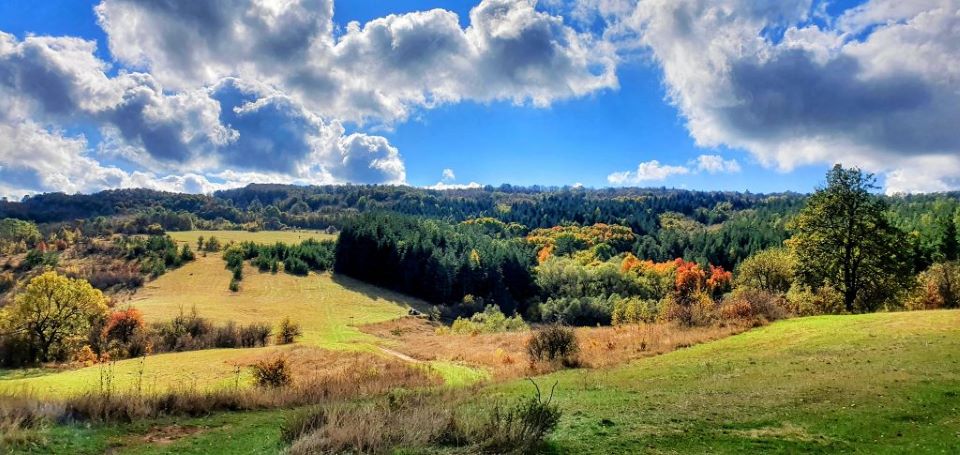
Located on the northern slopes of the Central Balkan Mountains and the central Fore-Balkan, the region of Gabrovo is distinguished by beautiful scenery and favourable climate. Autumn will enchant you with the palettes that have dyed the slopes of the mountain, and spring will capture you with aromas and sounds.
The tree species on the territory of Gabrovo Municipality are mainly beech, hornbeam and oak. There are many rosehip and blackberry bushes on the meadows. During the rainy summer days in the forests of Gabrovo can be found most common species of mushrooms (boletus, girolle, parasoll mushroom, Caesar’s mushroom, milk caps, puff ball, button mushroom, etc.). The numerous rivers flowing on the territory of the city are home to barbell and mullet.
In the past as well as at present to be born in Gabrovo is next to a privilege. The citizens of Gabrovo are both good at moneysaving and bargaining, for economy runs in their veins; they know how to get something out of nothing – an invaluable lesson taught by their ancestors; upon the very hint of a crisis they set their sense of humour going, for they are left with no other alternative. Numerous anecdotes are told about this shrewd and most careful with money part of the Bulgarian population. It is these anecdotes that created the phenomenon Gabrovo Humour being as viable and vital as ever.
“THE WORLD LASTS BECAUSE IT LAUGHS!”
Radoy Ralin, Bulgarian poet and satirist
An ancient legend says that one of the first settlers along Yantra River was a young blacksmith named Racho, who shod caravans passing through the mountains. Gradually, other people started to settle near his home, establishing small tailor and leather workshops and inns with delicious meals. A huge hornbeam tree /Gabar in Bulgarian/ rose near the fireplace of the blacksmith’s forge, and this is the reason why the city was named Gabrovo.
Over time Gabrovo became famous for its skilled craftsmen. One after the other nearly 30 crafts flourished in the city – braiding, weaving, furriery, silversmith’s and fuller‘s trade, pottery, carpentry, woodcarving and many others. From the existing small-scale manufactures rose largescale industry. Textile – wool and cotton, leather and iron industries developed. With the development of trade, the drive for education quickly grew and in 1835 the first secular Bulgarian school was established in Gabrovo.
The wide range of crafts allowed to satisfy not only the local needs, but also gave the opportunity to develop trade relations throughout the Ottoman Empire, and from the middle of the 18-th century in other European countries. The city became famous for the thrift and wit of its inhabitants, which is why the only Museum of Humor and Satire in the world is here. The industrialists of Gabrovo are known as the first visionaries and innovators in the country.
Gabrovo is a town with unique history. The beginning of this history is marked with the transformation of Turnovgrad into a capital of the Second Bulgarian Kingdom in 12th century as well as the subsequent significance of the road winding through the ‘Shipka” Pass. A settlement was created and inhabited by open-minded and skilful in warfare people who took the road protection. They had the privilege to pay fewer amounts of taxes, as well as to retain the ownership of their land and harvest. The local people established their lives as an integral part of the Bulgarian state. They erected a church, a monastery and related their existence to the conveyance of St. Petka’s relics.The cult of her is kept even nowadays. The Ottoman conquest of the state did not entirely change their means of living and it hardly affected their belonging to orthodoxy, manners and customs. They continued to guard the pass and for that reason they belonged to the detachments of the ‘dervetnzhii’, as the road guardians were called at that time.Their task was to guard the passing caravans and civil servants for which they bore a joint responsibility. For a short time they belonged to lands of an army leader but later became part of the grand vizier’s people. A representative of the ‘king’s’ power was the Aga of the “has” (land), the leader of the military band was a Bulgarian and the local priest was a leader of the citizens. For privileges such as carrying guns, not providing food for major military units and half-payment of taxes they were given a sultan’s resolution, confirmed by each new sultan. Their number increased as the years were passing – from 96 families in 1478 to 500 families in 1545, the population reached about 3000 inhabitants at the end of 17th century.
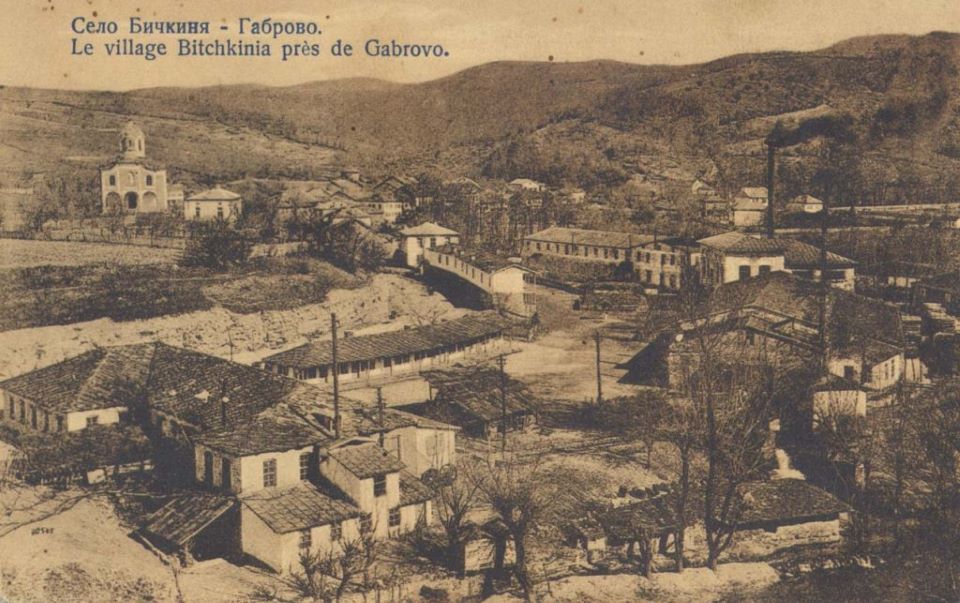
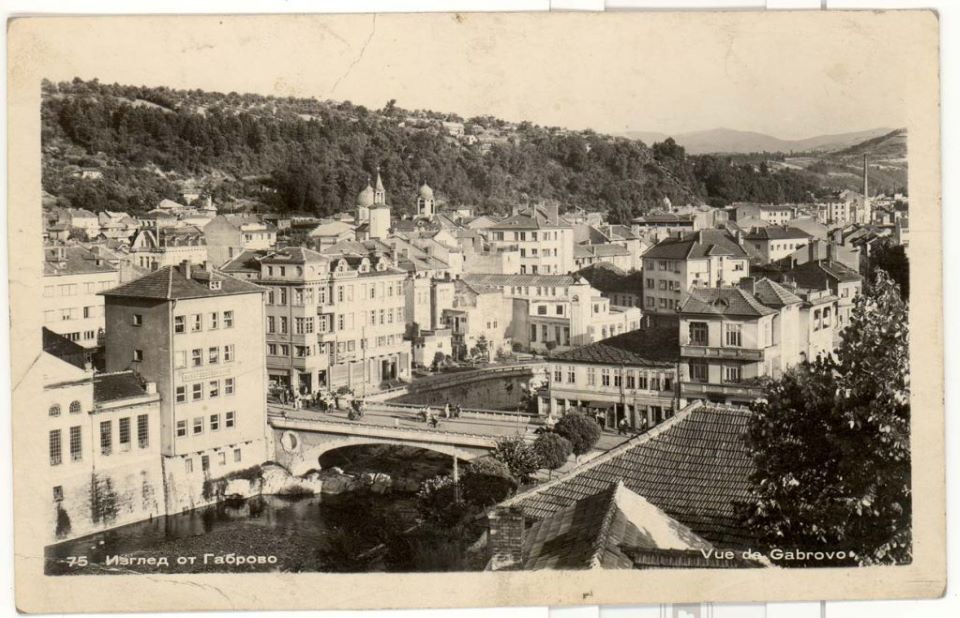
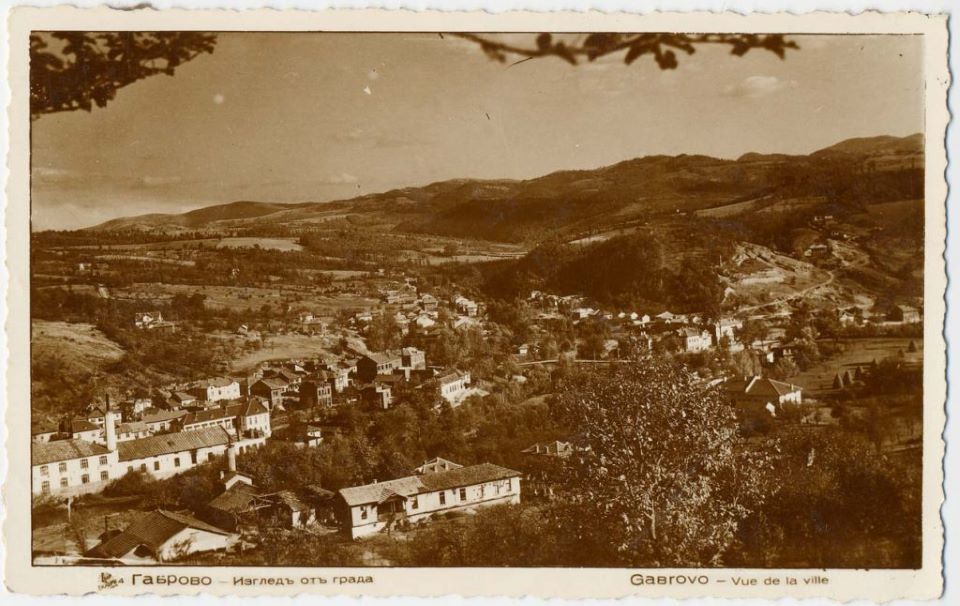
The historical sources describe them as quite different physically, but predominantly they were young, of average height, with brown hair, beards, moustaches and shaved heads. They prided themselves on being independent people as described by Evliya Chelebi, one of the most famous Turkish travelers, in 1662, when he had to defend himself against a military squad armed with rifles and axes and carrying a drum, as well as a flag with the Christian cross on it. Gabrovo people raised the four basic pillars of the Bulgarian nation – the Bulgarian community, the movement for independent church, the new Bulgarian School and the movement for recognition of the Bulgarians as a separate nation within the territory of the Ottoman Empire. The word of the mayors of Gabrovo, called “chorbadzhii” (rich men), carried weight before the voivode (chieftain) of Turnovo and even in Tsarigrad (Istanbul) before The Great Gate. It was a Gabrovo citizen who arranged the construction of the first Bulgarian orthodox church in Tsarigrad, as well as the issue of a sultan’s decree for the separation of the Bulgarian nation from the community called ‘rumeli milet’ (Byzantine people), represented by the Greek Ecumenical Patriarchate. With the funds raised by the people of Gabrovo and after Vasil Aprilov’s initiative, the first secular school of new Bulgaria was opened. The school was followed as a model of education throughout Bulgaria.
During the years of the Russian-Turkish war of liberation, Gabrovo was one of the ten Bulgarian towns with greatest contribution to the victorious end. Locals reinforced the volunteer’s bands, provided protective bands and workers for the road construction, as well as for the building of defense and military equipment, they spied out the ground and led the military columns to the way of the Russian forces, to the south of the Balkan Mountain Range, gave shelter to thousands of refugees, established hospitals, orphanages and homes for the elderly, and at the end of the battles also a camp for the captured Turkish soldiers.
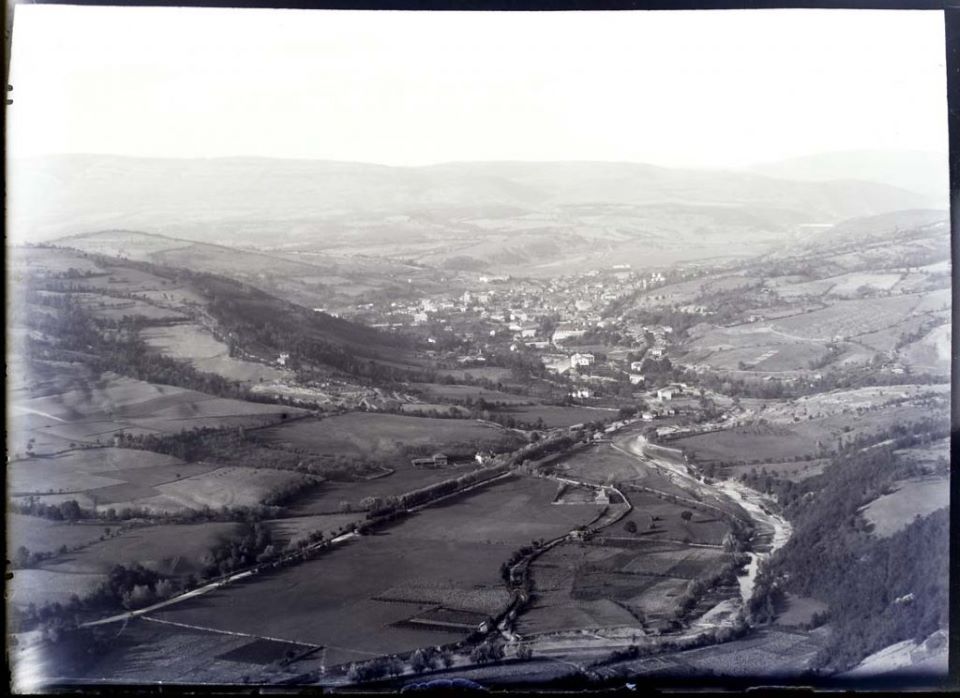
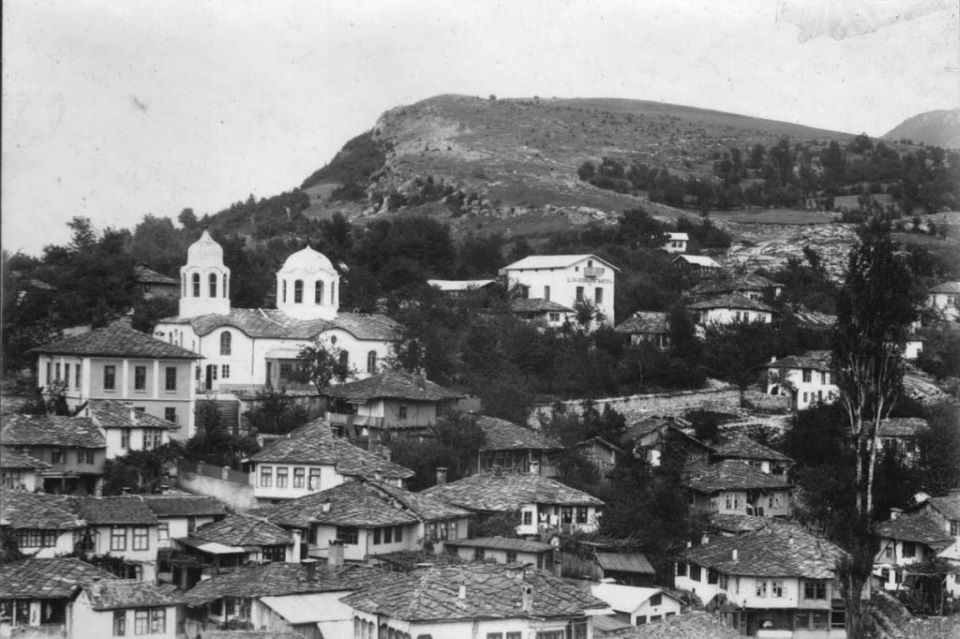
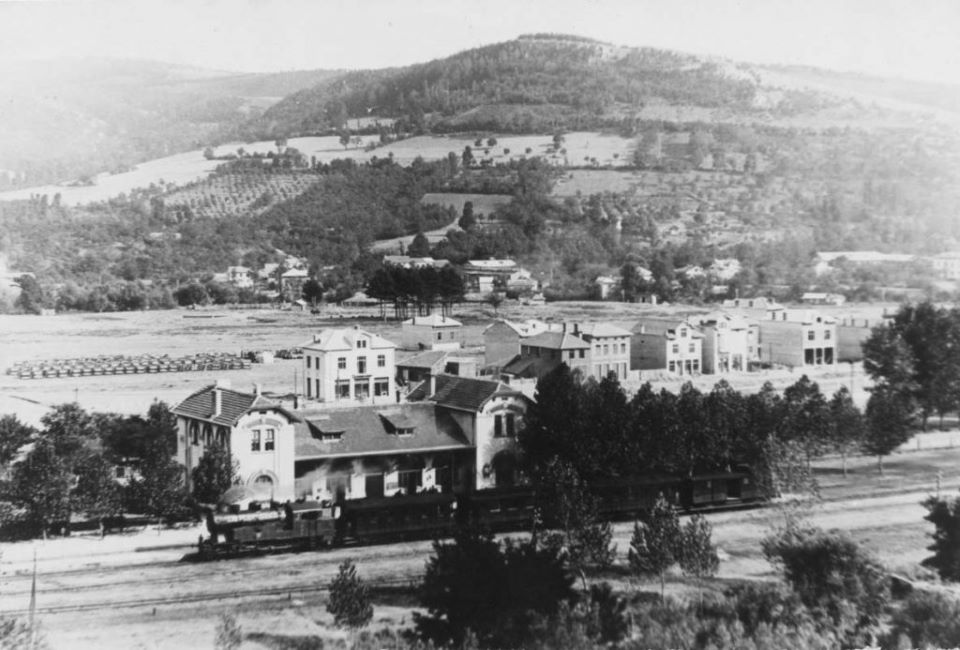
In the newly created state the intellectuals from Gabrovo became the basis of the state government for which they contributed with deputies such as the first prime minister, a Minister of Education and a Minister of War. Their power was concentrated in the foundation of the Bulgarian industry with Ivan Kalpazanov’s factories and his successors. Ivan H. Berov brought in the electricity in his production process in addition to many other innovations. On account of that he was called ‘the Japanese in the Balkans’. Here in Gabrovo, Pencho Semov developed and enriched his entrepreneurship skills and was considered ‘the Bulgarian Rockefeller’ by his contemporaries. Because of its huge industrial power the English called the town ‘the Bulgarian Manchester’. Тhe participants in the unification of the Principality of Bulgaria with Eastern Roumelia, the declaration of the Bulgarian Independence and the wars of liberation of Bulgarian lands in Edirne region in Thrace and Macedonia represent the national pride of Gabrovo people. 10 ministers, 11 generals and 25 big industrialists, writers, poets and scientists came from Gabrovo. The achievements of the years before 1944 provided a basis for an industrial town famous for its weaving, knitwear, leather and telpher industries, as well as for its institutes of technological development. The changes in 1989 resulted in transformation of the industrial ‘giants’ into small and medium robotized companies exporting production all over the world.
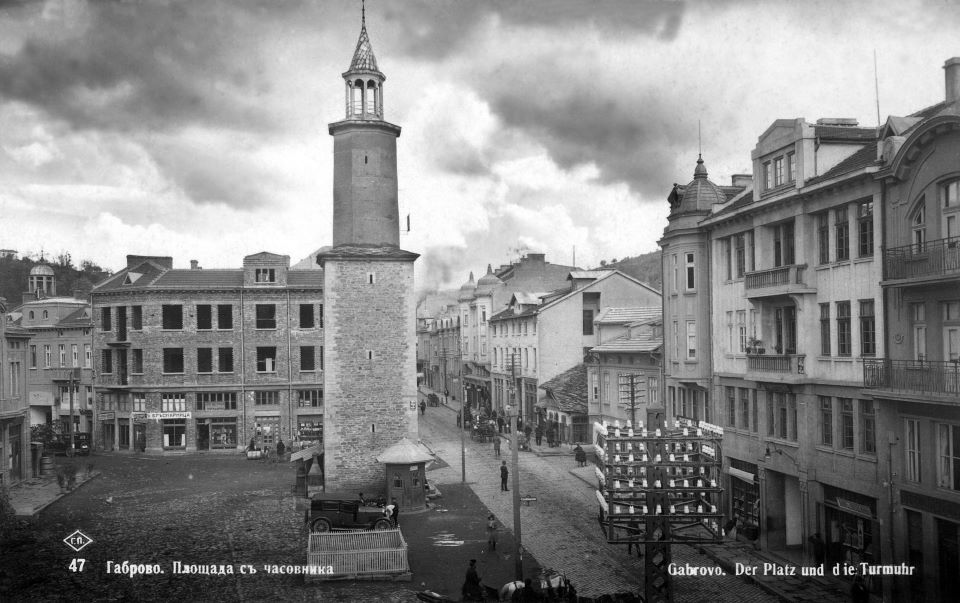
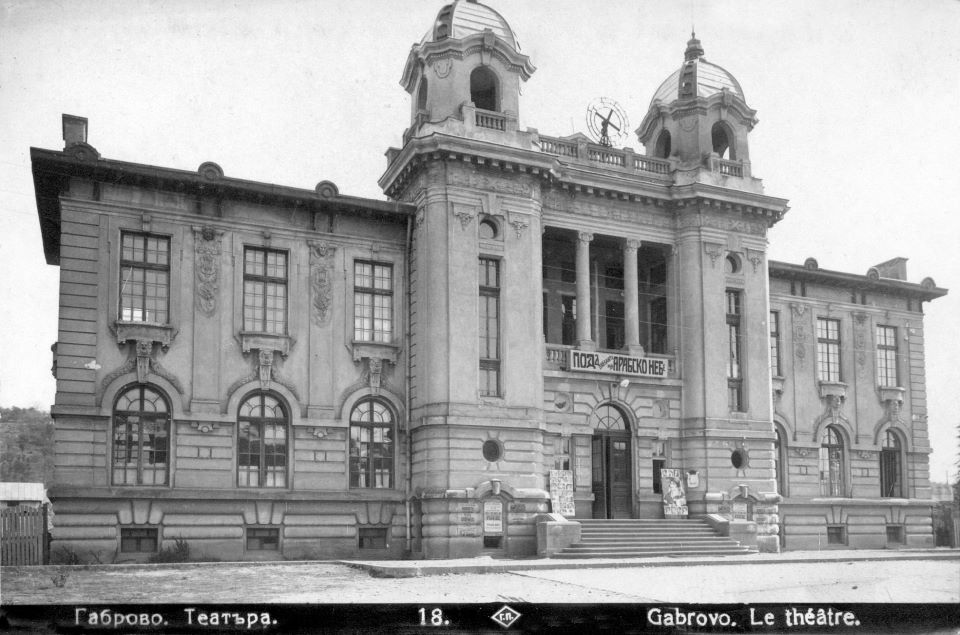
It all begun with the … “Oleliynya“
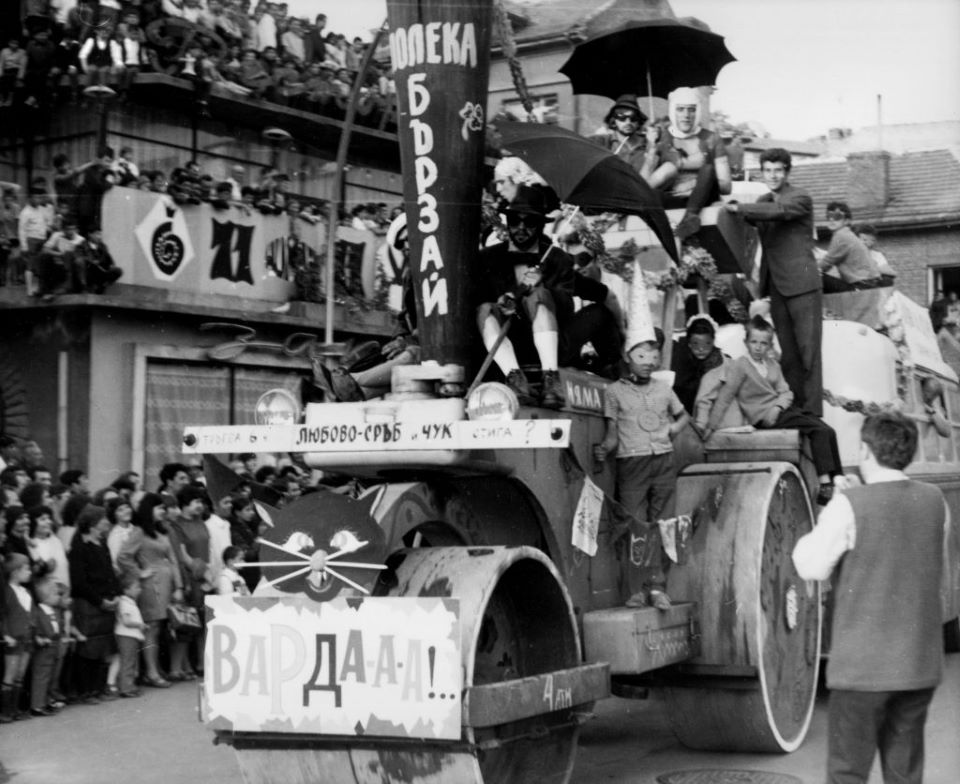
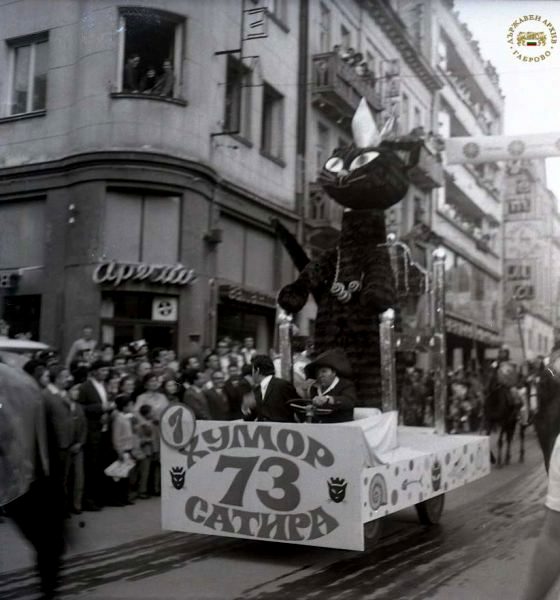
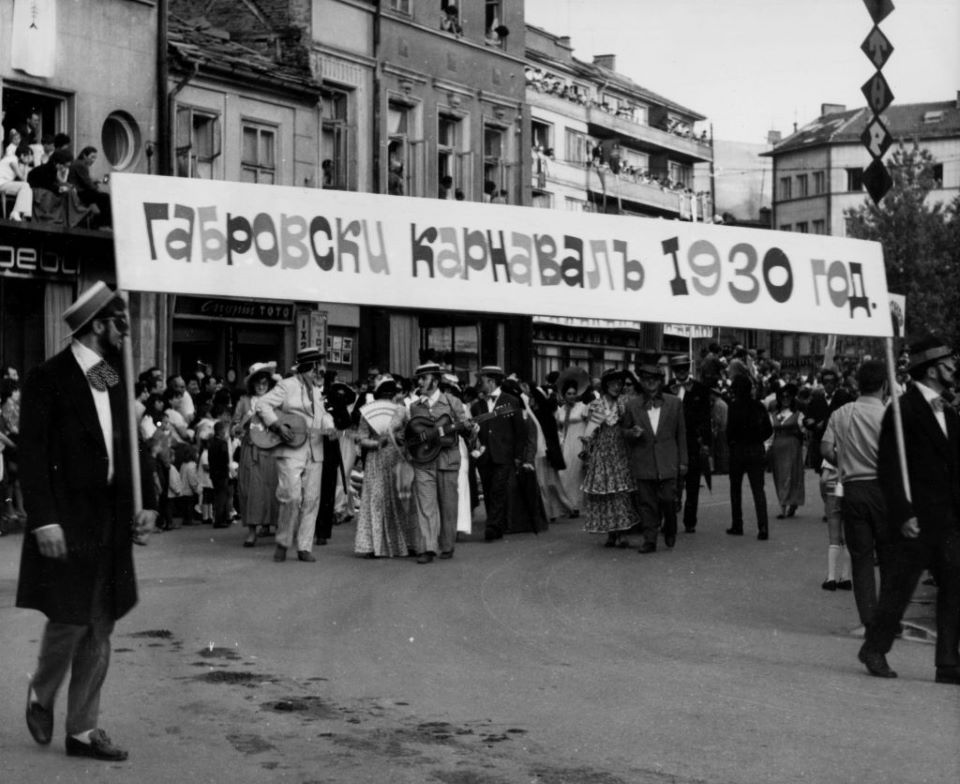
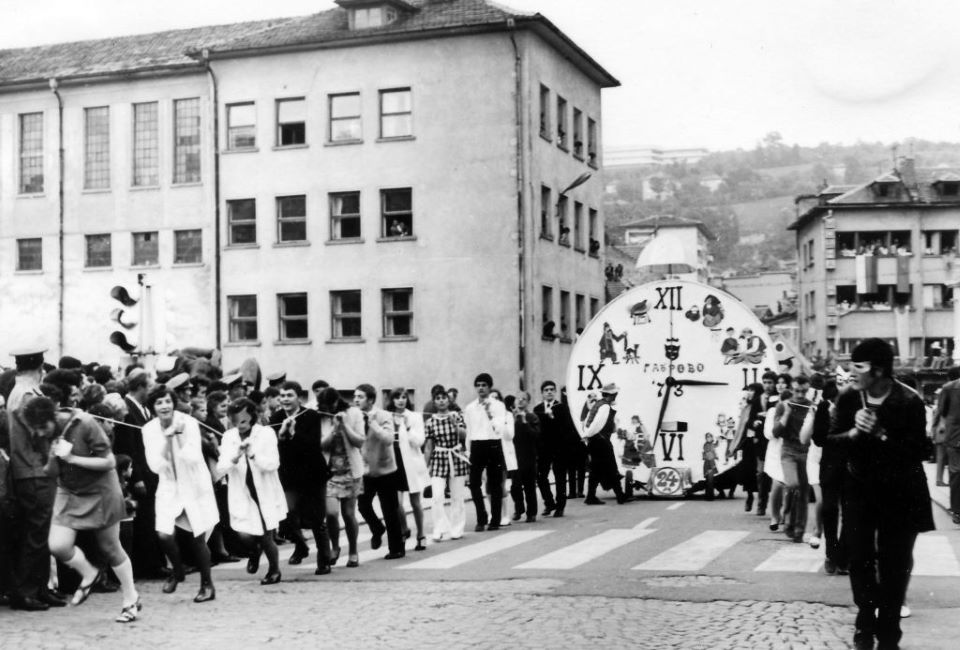
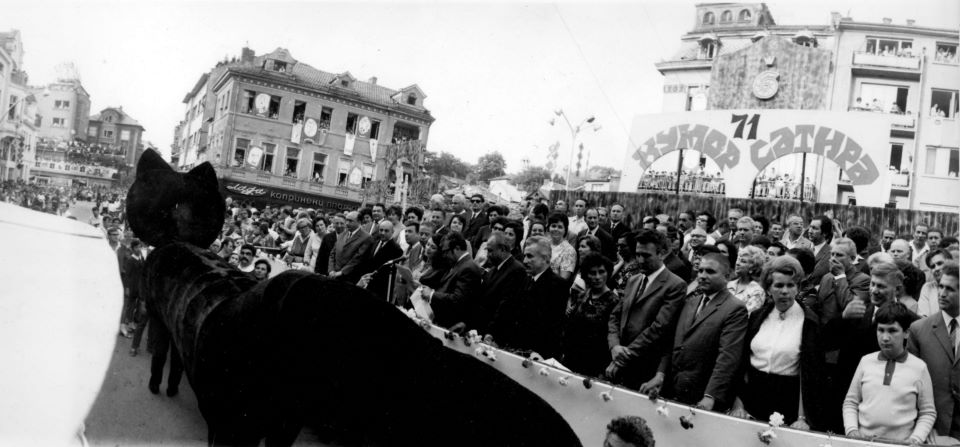
There are no written evidence and publications as to when was the first mass carnival in Gabrovo, but there is also not a person from Gabrovo, who doesn’t know that it started back in the 19th century with a loud, merry procession of disguised people, known as the Oleliynya. Right on Saturday before ‘Sirni Zagovezni’ (Shrove Sunday) the people of Gabrovo arranged the biggest annual traditional fair where they shook off their everyday concerns and to look at the world with new eyes. Feeling totally philosophical the transience of things, they broke the everyday order, unlocking the kingdom of unforeseen and surprise. The fest was ruled by fun and joy and the world was turned upside-down.
On this day the sellers dressed in colorful outfit, disguised themselves and sold with satisfaction all kinds of temptations for the poor soul – more than 10 types of halva,”peinir-shiker’’ (traditional candies), white “pivokvas” (old fermented sour refreshing drink) from Gabrovo, kravai (ring-shaped bun), wine and rakia, molds with homemade butter decorated with wooden spoon and for children – sugar roosters, chocolates and candies, cheap knick-knacks for young and old wives and bachelors, and colorful slippers and shiny belts for the damsels.
The town brass band went in the open air to “Padalo” ,the wide meadow outside town in the calmer hours. “Hora” and “ruchenitsi” (traditional Bulgarian folk dances) were swirled. Hurdy-gurdies played old popular tunes. Songbooks were offered. Under colorful umbrella folk singers in disguise or on stilts sang either heavy or joyful songs. Especially for the Gabrovo’s Oleliynya arrived funny-artists with woven suitcases from the whole country and gypsies made bears and monkey dance. “Kukeri” from Thrace chased away the evil powers of winter and the lean year with their dances and made spell for triumph of prosperity and good.
The Oleliynya continued till late at night. In the dusk could be seen the first disguised people who moved in groups and made the housewives at the doorsteps laugh…. The Carnival Sunday was to come!
Motley, multi-colored, full of good mood, the procession began on Sunday afternoon and continued till darkness. And with the purifying power of masks, alike the power of forgiveness, the evil was forgotten!
…”And as the Oleliynya rolled on since 19th century, through 20th century by far to 21st century. Neither capitalism, nor socialism or democratic changes has scared it. No matter if the Oleliynya was raised on ‘Sirni Zagovezni’, or was ‘’tied’’ to the Festival of Humor in May, it was anticipated by all. The carnival fest had had many faces – it threaded in procession or was put on platforms and stages or allocated on city squares. The festival obtained various faces according to its organizer – in the beginning it was spontaneous, by the people; later the factory owners gave it gloss, then the party took care, then the Municipality, with or without a director. The Gabrovians had only two times to do without their fifth season time – during WW2 and in the first years of Changes /1990-1998/. In 1998 when the European Commission gave some money to the Authorities of Gabrovo to use them for essentials in this fiery financial crisis, the authorities along with the cultural institutions and schools considered that the money was not enough for bread of the population anyway therefore decided to give it for circuses. That is how Euroday ’98 was born and after 8-year break the Carnival was back in town again!’’ – Tatyana Tsankova.
Why exactly in Gabrovo were born the carnivals? Probably because of the one and only humor of Gabrovo’s people, their thriftiness, prudence, self-criticism, creative work and eternal desire for entertainment, so familiar nowadays as well!
/The material uses excerpts of the book ‘’Carnivals of Gabrovo” by Mirela Kostadinova./